Aluminium Foil or PP Film for Lidding: Which Should You Specify?
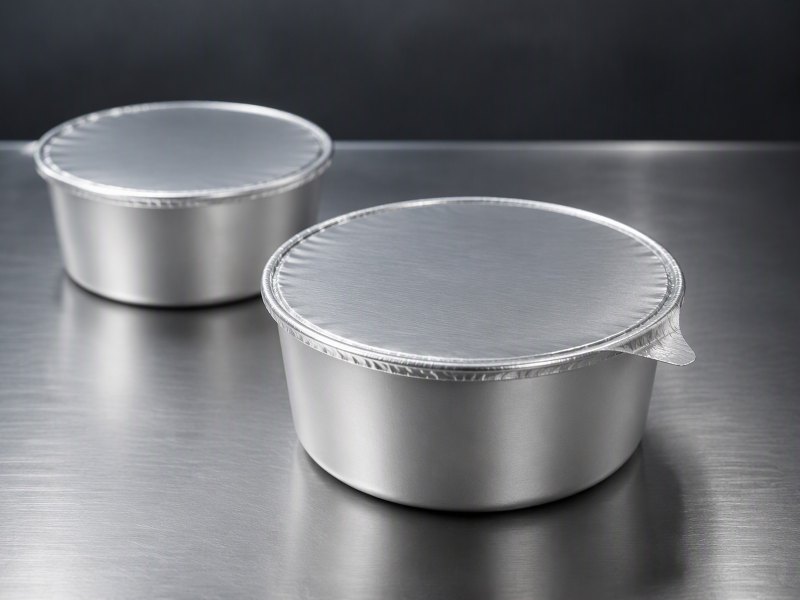
Foil or PP film for the lid? This decision guide for packaging engineers compares barrier, sealing, microwave tolerance and recyclability, then shows how to write a lidding specification that holds on a real line.
Two materials, one decision, and a filling line that cannot run both at once. Choose wrong and the seal leaks, the lid curls, or the pack fails early.
There is no universal winner. Aluminium foil lidding gives the strongest barrier against moisture, oxygen and light and holds a dead-fold. PP film lidding gives transparency, microwave tolerance and mono-material recyclability. The right choice follows your product, your seal process and your shelf-life target.
Most specifications fail not because the material is wrong but because the requirement was never written down. Before comparing foil and PP film, separate what the lid must do from what a supplier happens to stock.
What Does a Lidding Film Actually Have to Do?
A lid is a seal, a barrier and a machine interface at the same time, and each role pulls the material in a different direction.
Every lidding film must seal to the container rim, protect the contents for the stated shelf life, open cleanly, and run at line speed without wrinkling. Foil and PP film meet those four jobs differently, so the priority order decides the material.
Dive deeper
A lidding film is asked to do four jobs at once, and the material you choose is really a decision about which of those jobs matters most. The first is sealing: the film has to bond to the rim of the container, whether that rim is aluminium foil, polypropylene or a coated board, and it has to hold that bond through filling, transport and retail handling. The second is barrier: the lid is often the weakest point of the pack, because it is thin and sealed at the edges, so whatever oxygen or moisture gets in usually enters through the lid or the seal. The third is mechanical: the film must survive the filling line, the sealer jaws and the stress of opening without tearing where it should not.
Aluminium foil and PP film answer these jobs in almost opposite ways. Foil is a total barrier by nature, because a continuous metal layer stops moisture, oxygen and light, and it folds and stays folded, which is why a foil lid feels premium. PP film is a polymer sheet: it lets light through, it tolerates heat in the microwave, and it can be made from a single material family so that the pack stays easy to recycle. The engineering task is to write the priority order down before you compare samples, because a sample that wins on clarity can lose on shelf life, and a sample that wins on barrier can fail on a microwave requirement.
One more job is easy to forget, and it decides cost: the lid has to be produced at a rate the factory can live with. A material that seals only inside a narrow window will slow the line or raise the reject rate, and that cost usually outweighs the material price difference.
Where Does Aluminium Foil Beat PP Film for Lidding?
When the product is sensitive to moisture, oxygen or light, the continuous metal barrier of foil is difficult to match with a polymer film of the same thinness.
Aluminium foil gives an absolute barrier to moisture, oxygen and light, a dead-fold that holds its shape, and high heat resistance. It suits dairy, coffee, dried foods and any pack where shelf life and aroma retention are the deciding requirements.
Dive deeper
Foil wins where the barrier is the whole point. A thin aluminium layer is opaque to light, and it blocks moisture and oxygen almost completely, so a foil lid can carry a shelf-life target that a clear film would struggle to reach for the same product. For dairy, such as yoghurt, cream, dessert pots and portioned butter, the lid is often the only flexible part of an otherwise rigid pack, and its barrier protects the product surface from drying, from oxidation and from light-driven flavour change. The same logic applies to ground coffee, dried milk powder and nuts, where aroma is part of what the customer is buying.
Foil also behaves in ways a polymer film cannot. It dead-folds: fold it and it stays folded, which is why a foil lid can be peeled back and left in place without springing up. It tolerates high temperatures, so it survives a hot-fill or a retort process that would soften most films.
Where the requirement is really a packaging range rather than a single lid, the wider aluminium foil for lidding range covers the same converter gauges in the alloys and tempers the site publishes, supplied in thicknesses from 0.005 mm to 0.20 mm. For lidding, the thin end of that range is the relevant part, and gauge is agreed against the sealer and the filling line rather than taken from a catalogue.
Where Does PP Film Beat Aluminium Foil for Lidding?
When the customer needs to see the product, heat it in a microwave, or put the pack into a recycling stream, polypropylene film becomes the better answer.
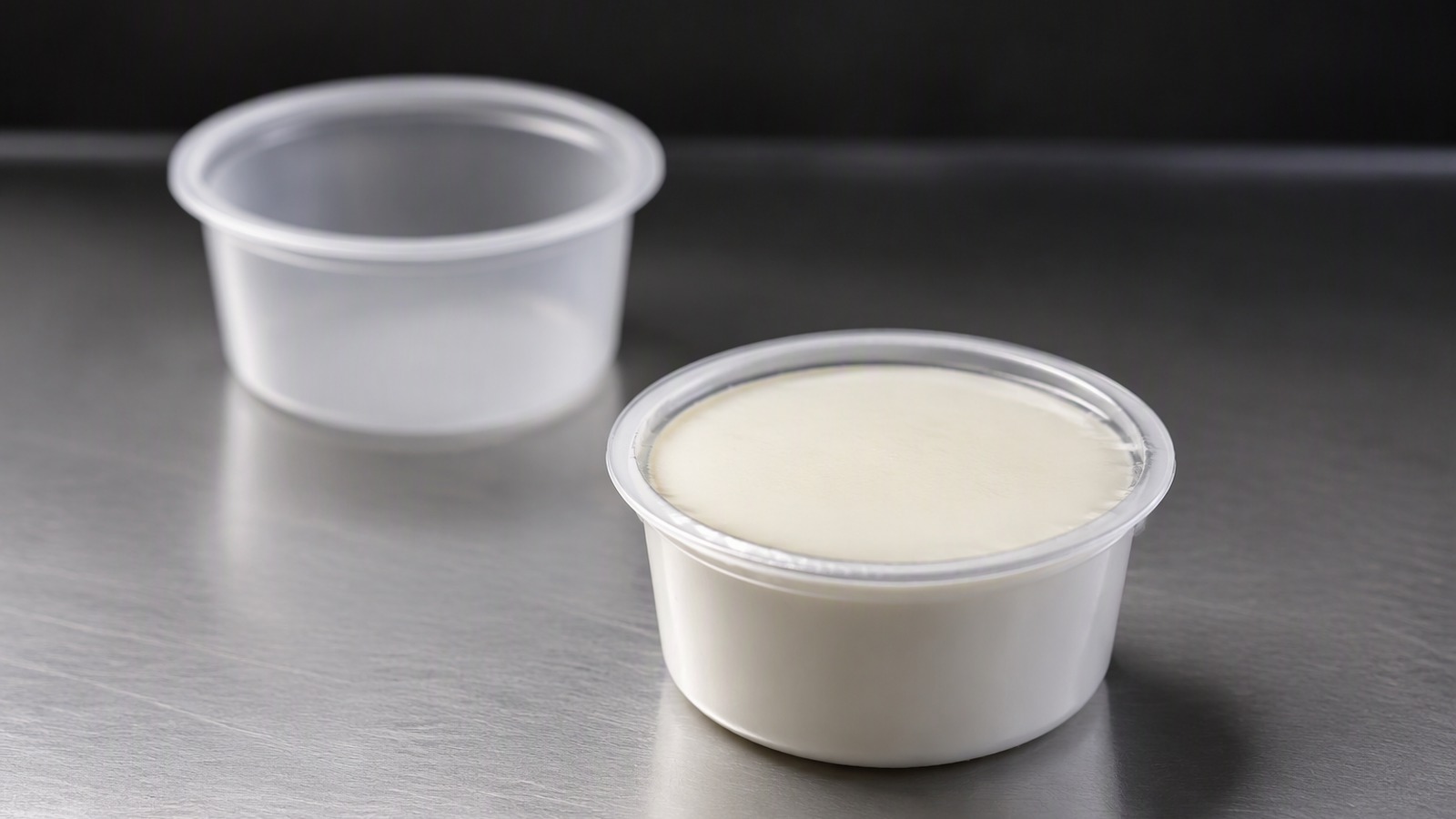
PP film is transparent, microwave-tolerant and can be a mono-material, so it supports the see-through lids and recyclable packs that retail buyers now expect. It also seals at lower temperatures than foil, which can simplify the sealing process.
Dive deeper
PP film wins on the attributes that a polymer brings and a metal cannot. It is naturally transparent, so a consumer can see the product through the lid, which is a decisive point for dips, salads, fresh desserts and any pack where appearance sells. It tolerates microwaving, so a single pack can go from the chiller to the microwave without the lid discolouring or sparking. And because polypropylene is one material family, a pack with a PP tray and a PP lid sits at the top of the design hierarchy that recyclers prefer, because a mono-material pack is easier to sort and reprocess than a mixed one.
Sealing is the quieter advantage. A polymer lid seals to a polymer rim by melting the two surfaces together, and a PP film can be built with a seal layer that closes the joint at a temperature below the point where the film itself would distort. That gives the machine a wider sealing window, which in turn means faster lines and fewer rejects. Foil, by contrast, needs a heat-seal lacquer with controlled pressure and dwell, and the seal quality depends on that coating as much as on the metal.
PP film also has a cost and logistics profile that suits high-volume, short-shelf-life products, and it is lighter per square metre than a comparable foil laminate. Bodies such as The Aluminum Association and the reference entry Aluminium foil - Wikipedia are useful starting points for the metal side of the comparison, while film suppliers publish the polymer side.
How Do Barrier Requirements Decide Between Foil and PP Film?
Barrier is where the two materials separate most sharply, and it is usually the requirement that settles a lidding decision for a dairy or dry-food product.
A thin aluminium layer is an absolute barrier to light, moisture and oxygen. PP film is a partial barrier whose performance depends on thickness and any added barrier layer, so it is chosen when a shorter shelf life is acceptable.
Dive deeper
Barrier requirements are usually written as a shelf life and a set of sensitivities, and the material follows from those. If the product must hold for months without oxygen ingress, a continuous metal layer is the simple answer: aluminium foil at converter gauges is effectively impermeable to water vapour and oxygen, and it is opaque, so light-driven degradation stops at the lid. A clear PP film, even a fairly thick one, is permeable to both water vapour and oxygen at a rate that sets a much shorter shelf life for the same product.
That does not mean every product needs foil. A chilled dessert eaten within days does not have the same barrier demand as a dry product stored for a year, and adding barrier to a film costs money in layers, coatings and complexity. Where a converter needs a defined thin-gauge starting point for that test, 1235 aluminium foil for lidding is one of the grades most often specified for light-gauge lidding and lamination, supplied in widths from 100 mm to 1500 mm and on 76 mm or 152 mm cores.
Barrier is also a system property, not just a lid property. The lid, the seal and the container headspace together determine how much oxygen reaches the product, so a high-barrier lid on a poorly sealed rim achieves little. When you compare a foil laminate with a PP film, compare the finished pack, not the film alone. Independent bodies such as European Aluminium and the European Aluminium Foil Association publish general background on aluminium and foil that helps frame the material side of that comparison.
What Do Sealing and Converting Equipment Change?
The best material on paper can fail on the line, because the sealer, the tray material and the filling speed decide whether the lid actually bonds.
Foil needs a heat-seal lacquer and a controlled pressure, temperature and dwell. PP film seals by melting to a compatible rim. Match the lid to the container material and the sealer range before you commit.
Dive deeper
Sealing turns a material choice into an equipment choice. A foil lid is coated on the sealing side with a heat-seal lacquer, and that lacquer, not the metal, forms the bond. The sealer must deliver enough temperature, pressure and dwell to activate it without scorching the print or deforming the lid, and the correct settings depend on the lacquer, the rim material and the line speed. Change any one of those and the seal window moves.
PP film seals differently. Because both the rim and the lid can be polypropylene, the sealer can melt the two surfaces into one joint. That often gives a broader sealing window and a clean peel, but it also means the lid must be matched to the container: a PP film lid belongs on a PP rim, and forcing it onto a different material usually produces a weak or leaking seal.
For converters buying foil stock to make lidding laminates, the relevant gauge and width are set by the printing and laminating line, and the surface condition matters as much as the alloy. Aluminium foil for lidding and packaging is supplied mill finish or bright, smooth or embossed, plain or prepared for downstream coating and lamination, so that the sealing lacquer and the print adhere consistently. Where the lid has to sit on a foil container rather than a polymer one, aluminium foil container stock covers the semi-rigid gauges used for trays.
A practical way to de-risk the decision is to run the trial on the actual line, with the actual rim, at the actual speed. A seal that passes a lab test at slow speed can fail at production speed, and a film that peels cleanly at room temperature can tear in a chilled or frozen application. Write the sealer settings into the specification so that a future production run repeats the conditions that were validated.
How Should You Specify Foil and PP Lidding Film Together?
Once the priority order is clear, the specification becomes a short list of decisions, and that list works whether the answer is foil or PP film.
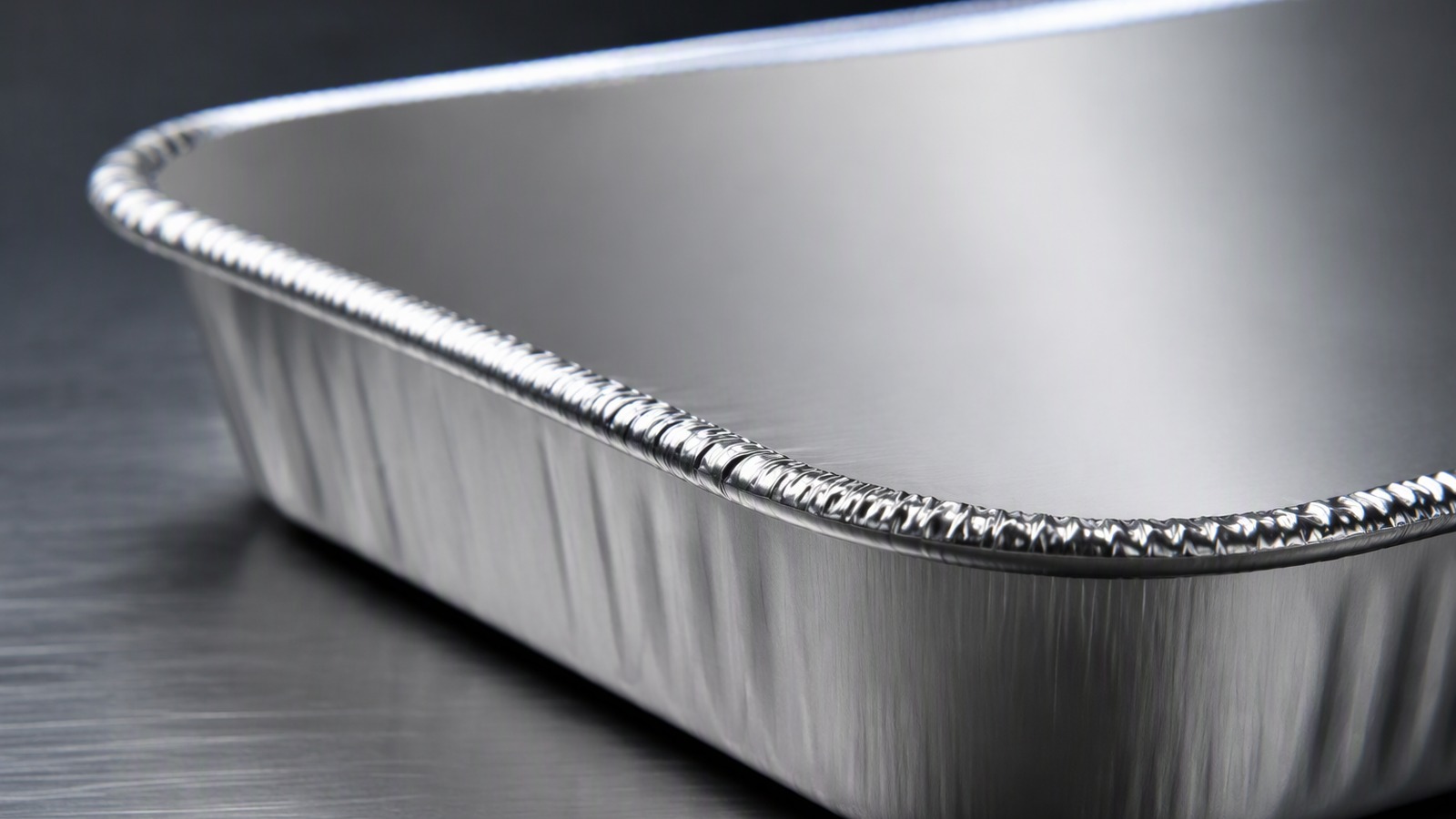
State the product, shelf life and storage conditions, the sealing process and line speed, the container rim material, and the opening behaviour you want. Then agree alloy, gauge, width and core, or film structure, against those.
Dive deeper
A lidding specification that survives contact with a real line answers six questions in writing. What is the product, and what is its sensitivity to oxygen, moisture, light and aroma? What shelf life and storage temperature must the pack achieve? Which rim material will the lid seal to, and what is the rim geometry? What sealing process is available, and what temperature, pressure and dwell can the sealer hold? At what line speed must the lid run, and what opening behaviour does the customer expect, whether peel, puncture or reseal? And is there a retail or waste-stream requirement that pushes the pack toward a mono-material design?
Answer those six and the material often chooses itself. If the barrier and the shelf life dominate, the specification will lean toward a foil laminate, and the parameters to fix are alloy, temper, gauge, width and core, with the surface agreed for the sealing lacquer. The published range is supplied in alloys 1050, 1060, 1100, 1235, 3003, 3004, 8011, 8021 and 8079, in tempers O, H14, H16, H18, H22 and H24, in thicknesses from 0.005 mm to 0.20 mm and widths from 100 mm to 1500 mm, on 76 mm or 152 mm cores. If clarity, microwave tolerance and recyclability dominate, the specification will lean toward a PP film, and the parameters to fix are film structure, seal layer and sealing window.
It is also worth understanding how the alloys on the foil side behave before you lock a grade, because the choice between them is not arbitrary. The two grades most often debated for light-gauge packaging and lidding are covered in our note on how the 8011 and 1235 foils compare for lidding. Whichever material and grade you land on, order quantities are quoted per size, packing is eye to sky or eye to wall on wooden pallets with a moisture barrier wrap, and loading is from Qingdao, Tianjin or Shanghai. The single most useful thing you can send is the process step that follows ours, because that is what fixes the requirement.
Foil and PP film are not rivals but different answers. Set the barrier, sealing and recyclability requirements first; the material that meets your priority list is the one to specify.