Aluminium foil damage claims: what do you check, and when?
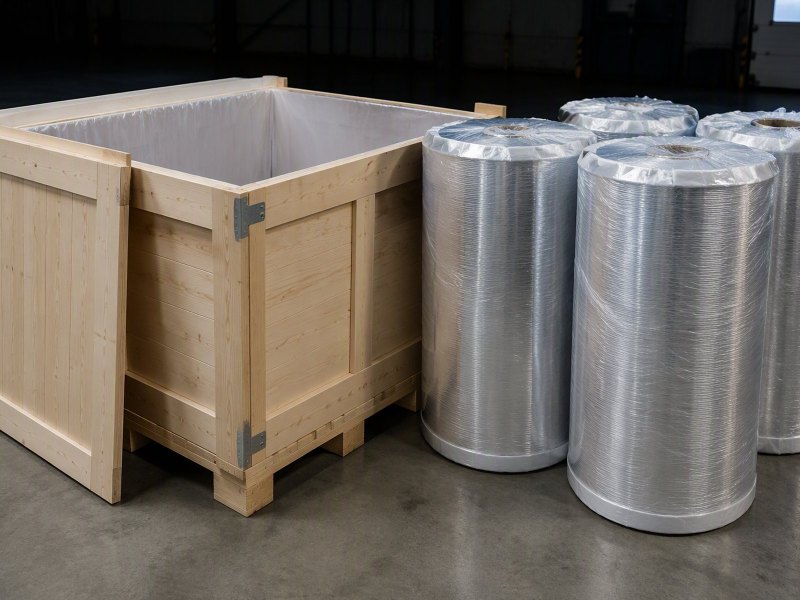
A receiving guide for importers and warehouse teams: the door check before signing, the floor check after unloading, the evidence a damage claim needs, who is liable for what, and how to stop the damage recurring.
Aluminium foil damage claims: what do you check, and when?
A load that arrives creased, wet or telescoped is a total loss only if you find it after the truck has gone.
Inspect at the door before signing: packaging closed, moisture barrier unbroken, pallets flat, strapping tensioned, rolls correctly oriented. Then check edges, wraps, roll faces, staining and cores on the floor, photograph everything, and note the damage on the delivery receipt before you accept the load.
The eight questions below follow one container from the door to the claim file, and back to the next order.
What should you check at the container or van door before signing anything?
The door is the last moment when the load is still someone else's responsibility.
Check that the packaging is closed and dry, the moisture barrier is unbroken, the pallets sit flat and square, the strapping is tight and unmarked, and the rolls are upright or on the axis the loading plan called for. Photograph the load before you touch it.
Dive deeper
Open the door slowly and stand back. Air that smells damp, condensation on the roof panel, or a water line across the floor is a reason to photograph before anything moves. Foil packing is built to keep water off the surface, not to survive a wet container.
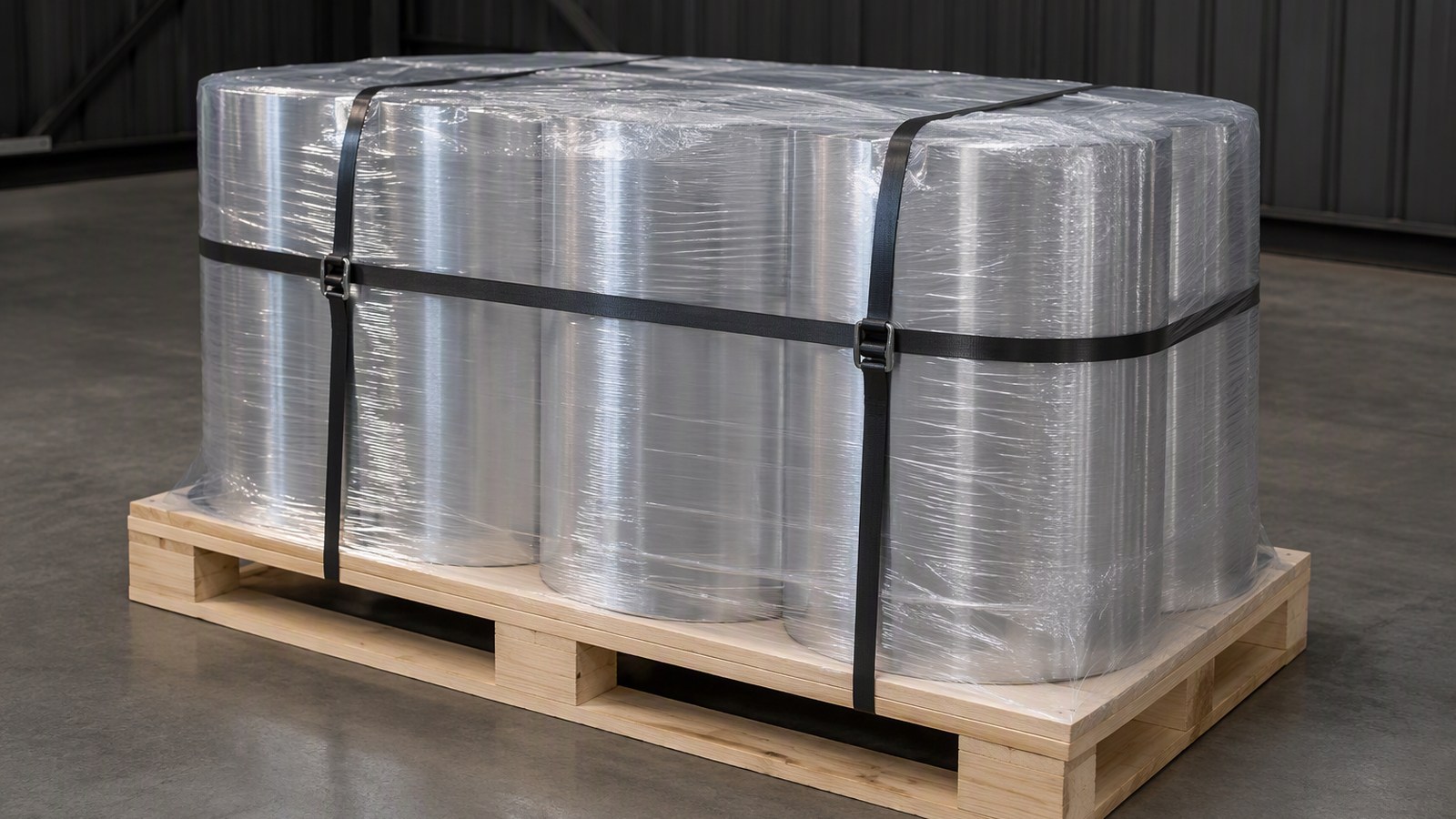
Then read the load as a structure. Every pallet should sit square with its feet flat, no corner hanging free and no bottom layer crushed. The wrap should run continuously from the base to the top board and stay untorn at the corners where the forks will enter. Corner boards and edge protection belong where the packing specification placed them.
Strapping next: tight, straight, and not cut into the wrap. A strap that has been retied, or a seal that has moved, says the load was opened somewhere between the packer and your door. Then look at aluminium foil roll orientation, because rolls stowed on end and rolls stowed on their axis behave differently in transit.
Count last: pallets, rolls per pallet and roll numbers against the packing list, while the driver is still standing there and the numbers can still be agreed. Two people are better than one, one reading and one counting, and both should sign the same note.
Why does the delivery receipt note matter more than the photos you take later?
A photograph taken a week later proves the damage exists; it does not prove when it happened.
A note written at the door and countersigned by the driver puts the damage on the record while the carrier still has custody of the argument. Damage found after a clean signature is treated as handling inside your own building, and the claim weakens accordingly.
Dive deeper
A delivery receipt is a statement about the condition of the goods at handover. Sign it clean and you have said, in a form the carrier can produce later, that the load arrived in good order. Nothing you photograph afterwards undoes that sentence, because the goods were already in your control.
The note does not need to be technical. What it needs is to be specific, and to be written before the vehicle leaves. "One pallet, four rolls, wrap torn on the road side, foil edges dented on two rolls" is worth more than "damage" written across the sheet. Vague notes are the easiest thing in the file to dispute.
Ask for the driver's signature and keep the copy with the note. If the driver will not sign, write refused to sign beside it and record the time. Many carriers accept a reservation of rights made in writing at the door, and aluminium foil is easy to describe in physical terms.
Take the photographs anyway, in the same order, at the same door, with the container number in the first frame. The note and the pictures support each other; neither works alone, and a note without pictures is nearly as weak as pictures without a note.
What should you check once the rolls are on the floor?
Under a proper light, with the wrap opened, faults appear that the door check could never show.
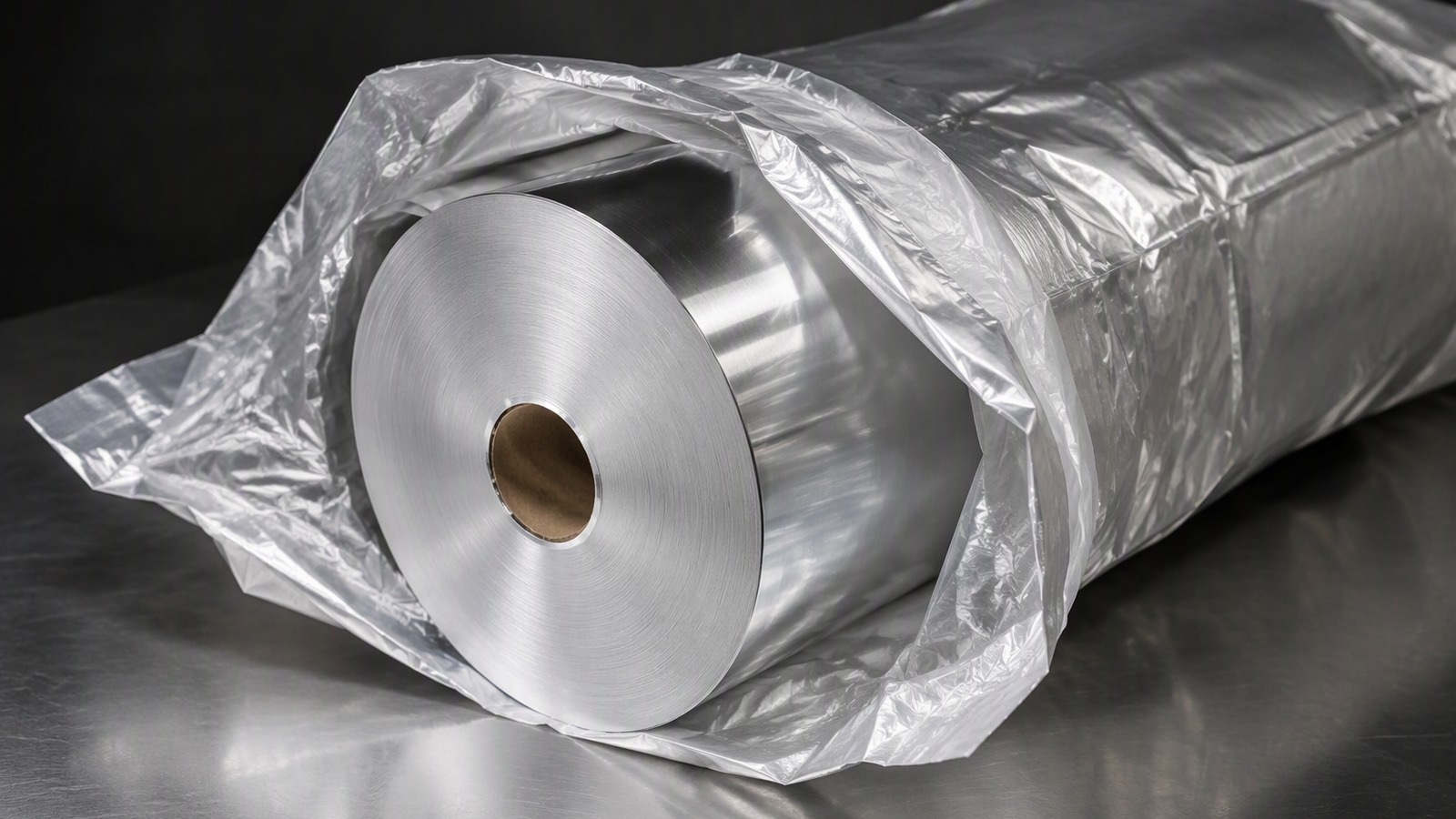
Check the edges for dents and nicks, the wraps for crushing and punctures, the roll face for telescoping, the surface for water staining and oxidation, and the core for crushing, ovality and looseness. Check a sample from every pallet, not one roll from the load.
Dive deeper
Edge damage is the first thing to look for. Run a hand around the rim of each roll and look along it at eye level; a dented edge will not unwind cleanly. Record whether the damage is on one roll or on a line of rolls in the same position, because a row of dents at the same height points to handling.
Then the wraps. Crushed wraps hide creased foil underneath, and a punctured wrap has let air and moisture reach the surface. Open the damaged area, look at the layer beneath and photograph both. Telescoping is next: layers slid sideways until the roll face has become a cone rather than a flat wall.
Water staining shows as a tide mark or a white bloom, and its position tells you where the water came from. Staining at the outer edge suggests the wrap; patches across the face suggest condensation. A crushed or oval core at 76 mm or 152 mm will not run true, and a loose core will slip under tension.
Segregate what you find. Move suspect rolls to a marked area, keep the wrap and the strapping with them, and note the roll numbers. A roll unwound on the line before the claim is written cannot be inspected afterwards.
How do you tell transit damage from a packing or mill defect?
Carriers blame packing, packers blame handling, and the pattern of the damage usually settles it.
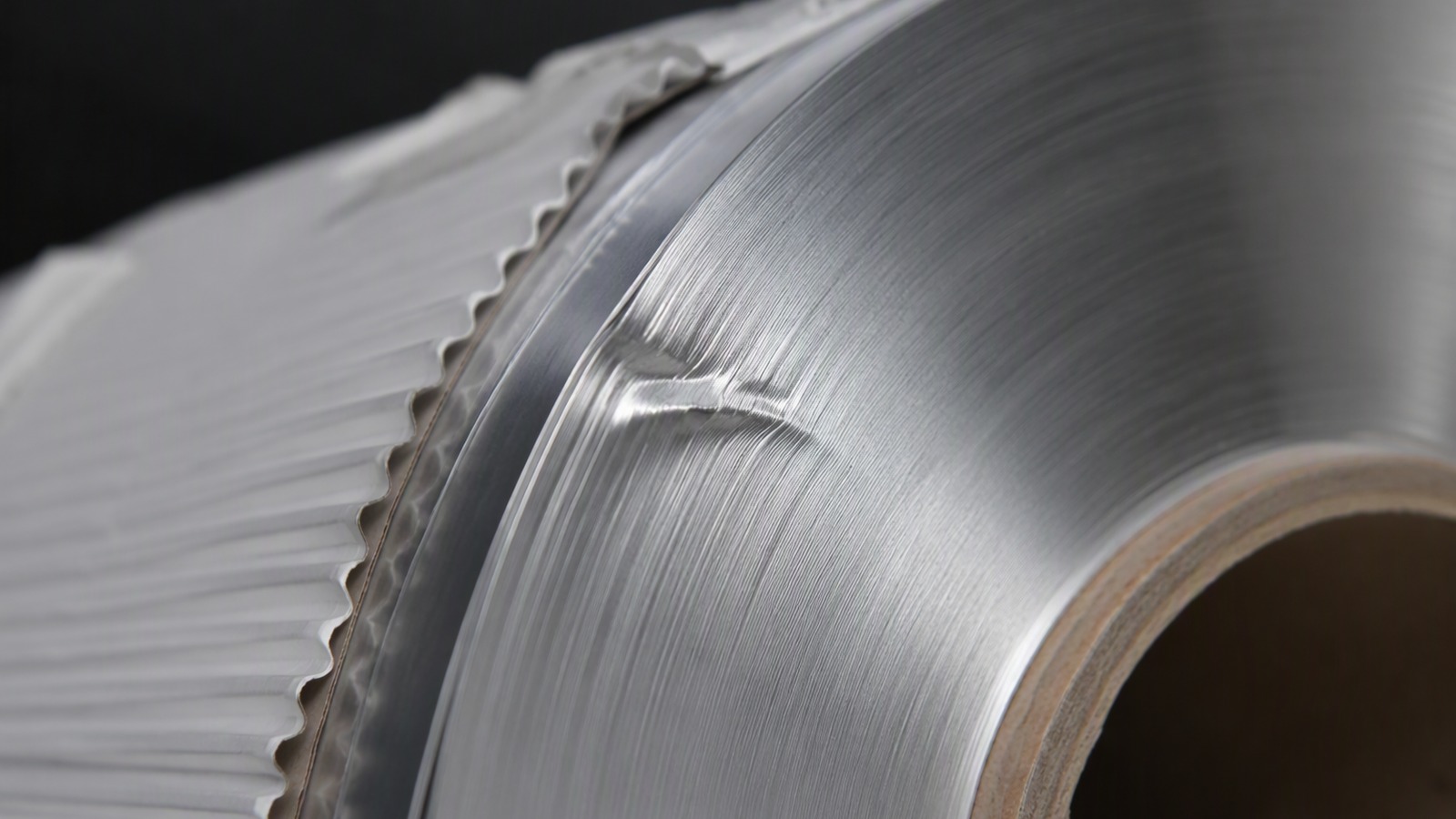
Transit damage is local, impact shaped and follows the stow. Packing faults are systematic and repeat across the pallet. Mill defects sit in the foil itself, appear on every layer, and were there before the wrap went on. Compare the pattern, not the noise.
Dive deeper
Start with distribution. One damaged roll in a container of thirty is a handling story; thirty damaged rolls with dents at the same height is a stow or packing story. Damage at the door end points to load shift, damage at the bottom layer points to stacking, and damage along one side points to bracing that moved.
Then direction. Scuffs and gouges that run with the roll axis come from something sliding during transport, while dents that face outward from the rim come from contact with a hard object. Creases that follow the unwinding direction, on the other hand, were usually made when the foil was wound. Both patterns travel with the load rather than with the roll.
Moisture needs its own reading. Water that entered through the roof or a torn wrap leaves a mark that starts at the outside. Water that condensed inside a closed wrap leaves a fine even bloom. The two look similar in a photograph and completely different on the roll.
Finally, compare with the record. Loading photographs, the packing list and the batch identification tell you what left the plant, and how importers verify foil quality before shipment is the other half of the same file. Without that comparison you are guessing at a boundary.
What evidence does a foil damage claim actually need?
A claim is a file, not a complaint, and what is missing from the file decides the outcome.
Photographs of the pallet as received, of the outer wrap, of each affected roll and of the batch identification, plus the container number, the delivery receipt note, the packing list and the invoice. Keep the damaged material and its wrap until the file is closed.
Dive deeper
Photographs do most of the work, so take them in a fixed sequence. Wide shot of the pallet as received, before anything is cut. Medium shot of the wrap, showing the label, the strapping and the damaged area in one frame. Close shot of the affected wraps with a scale in view.
The container number belongs in the first photograph of the day, together with the seal if there is one, because it ties the whole set to one movement. Then the paperwork: the delivery receipt with the note, the packing list, the invoice and any survey report the parties agreed to commission. A 1050 aluminium foil in 0.05 mm that arrives marked is easier to argue when specification, roll number and batch sit in one file.
Keep physical evidence too. The torn wrap, the strapping, the corner board and a sample of the affected foil are worth more than any description, and they are the first things thrown away when a warehouse is busy. Label them and store them dry.
Write the file as if a third party will read it without you in the room. Dates, references, roll numbers, weights and a plain description of what is wrong will carry a claim; adjectives will not.
Who is normally liable for what: carrier, packer or mill?
Liability follows custody, and custody changes hands more than once before your door.
The carrier answers for stowage, securing and what happened in transit. The packer answers for protection, wrapping and pallet build. The mill answers for the foil itself: alloy, temper, gauge, surface and edges before packing. Everything else is settled by the contract.
Dive deeper
Begin with the handover points. Risk passes at a point agreed in the contract, and everything before that point belongs to the seller's side of the chain, everything after to the buyer's. Knowing where that line sits turns an argument into a question of fact.
The carrier's responsibility covers the condition of the container or van, the stow, the securing and the driving. If the load arrived with bracing collapsed, with the floor wet, or with rolls that had clearly moved, that sits with the carrier. If the packer loaded and sealed the box, the carrier will say it cannot answer for the contents.
The packer's responsibility is the protection: the wrap, the moisture barrier, the corner boards, the pallet quality and the way the rolls were fixed to it. Failures here look systematic and repeat. The mill's responsibility is the material before packing, which is why batch identification matters in a dispute about surface or edges.
Beyond that, the terms are agreed in the contract, and trade bodies such as European Aluminium publish general background on how the industry describes semi finished products. Read your own terms before you read anyone else's argument. Where the contract is silent, trade practice fills the gap, and that practice rarely favours the buyer by default.
What belongs in a claim letter, and what does not?
A claim letter that argues tends to be answered with an argument; one that documents tends to be settled.
Put the facts, the references, a physical description of the damage, the evidence list and one specific request in that order. Leave out blame, unsupported estimates of loss, and any claim that the material is unusable if you have not tested it.
Dive deeper
Open with references: order number, invoice, container number, delivery date and the roll numbers concerned. Then say what was ordered and what arrived, in numbers of pallets and rolls, so the reader can locate the shipment without asking. A letter that forces the other side to search is a letter that waits.
Describe the damage in physical terms and resist conclusions. "Two rolls, outer four layers creased along the edge for about a metre, wrap torn at the same point" is a description. "Material destroyed by careless handling" is a conclusion, and it invites a defence instead of a decision. Keep the adjectives out and the measurements in.
List the evidence by file name and say what each item shows. Then make one request, clearly: replacement of the affected rolls, a credit against the invoice, or a joint inspection before the material is moved. One request is easier to answer than four, and it gives the other side a way to close the matter.
Close by stating that rights are reserved, and keep the tone flat throughout. If the shipment was loaded badly, the fix belongs in the next loading plan, and why container loading matters is the conversation to have once the claim is settled.
How do you stop the same damage recurring on the next shipment?
The cheapest claim is the one the next loading makes unnecessary.
Feed each finding back into packing and stow: pallet build, wrap, edge protection, bracing or orientation. Write the requirement into the order so it is a specification rather than a request, and ask for loading photographs before the container leaves.
Dive deeper
Start with the cause you can defend. If dents appear at fork height, the handling equipment or the pallet entry is the place to look. If telescoping appears after every long leg, the securing method is the place to look. If staining follows the roof line, the container check before loading is the place to look.
Then change the instruction, not the conversation. A packing requirement that lives in an email is forgotten by the next order; one that sits in the purchase order is quoted against. Say how the rolls should be oriented, how many sit on a pallet, and how the load should be braced. Both are cheaper than the damage they prevent.
Ask for photographs at loading, with the container number visible, and check them before the doors close. A picture of a finished stow catches the load built in a hurry. Receiving staff should see the same pictures, and the foil roll and sheet range should be ordered against them.
Two external references belong in the same file: the Aluminium Association for industry background and the European Aluminium Foil Association for foil specific context.
Inspect before you sign, describe before you argue, and fix the packing before the next container is loaded.