How Does an Importer Verify Aluminium Foil Quality Before Shipment?

A practical guide for importers and incoming-inspection teams: what can be checked at the plant, how sampling and roll-by-roll checks are organised, which packing and document checks matter, and how to handle a deviation.
How Does an Importer Verify Aluminium Foil Quality Before Shipment?
A container of foil is expensive to reject once it has sailed. Catching a problem at the supplier's plant is far cheaper than arguing after arrival.
Pre-shipment verification combines document review, visual inspection and simple measurement at the plant. You agree the acceptance level with the supplier before the order, then confirm roll by roll that thickness, width, core and packing match what was agreed.
This guide follows the sequence a buyer actually uses: what is visible on site, what is measured, how the sampling is arranged, what the pallets and paperwork must show, and how a deviation is handled once it appears.
What Can Actually Be Checked at the Supplier's Plant?
Not every property can be confirmed before loading. The plant visit is about the things that are visible, measurable or documented while the rolls are still there.
On site you can check alloy and temper markings, thickness, width, core diameter, roll appearance, edge condition, packing and pallet build. Chemistry and mechanical behaviour normally rest on the supplier's own batch records rather than a re-test during the visit.
Dive deeper
A pre-shipment visit is best understood as a confirmation exercise rather than a full laboratory programme. The importer or the incoming-inspection team arrives with an agreed checklist and confirms, roll by roll, that what stands on the floor matches what was ordered. Alloy and temper are read from the markings and compared with the order: foils for converting and packaging work commonly sit in the 1050, 1060, 1100, 1235, 3003, 3004, 8011, 8021 and 8079 families, in tempers such as O, H14, H16, H18, H22 and H24. The agreed thickness band is usually somewhere between 0.005 mm and 0.20 mm, the width between 100 mm and 1500 mm, and the core either 76 mm or 152 mm.
What a plant visit cannot easily do is re-run a full chemical analysis or a complete mechanical test programme. Those results normally arrive as batch records produced during the supplier's own run, and the visitor's job is to see that the records exist, that they belong to the rolls in front of them, and that the recorded figures are consistent with what was agreed. Where a buyer wants independent confirmation of a particular property, that is arranged separately and well in advance, and the acceptance level is settled with the supplier before the order is placed.
It also helps to decide in advance who attends and what they carry. A micrometer, a steel tape or straightedge, a notebook and a camera are usually enough for the checks that matter on the floor. The purpose of the visit is to reduce surprises at the destination port, and that goal is served better by discipline than by volume. If you want to see how the commercial side of the same decision is framed, a guide on comparing foil quotations side by side pairs well with the physical checks described here.
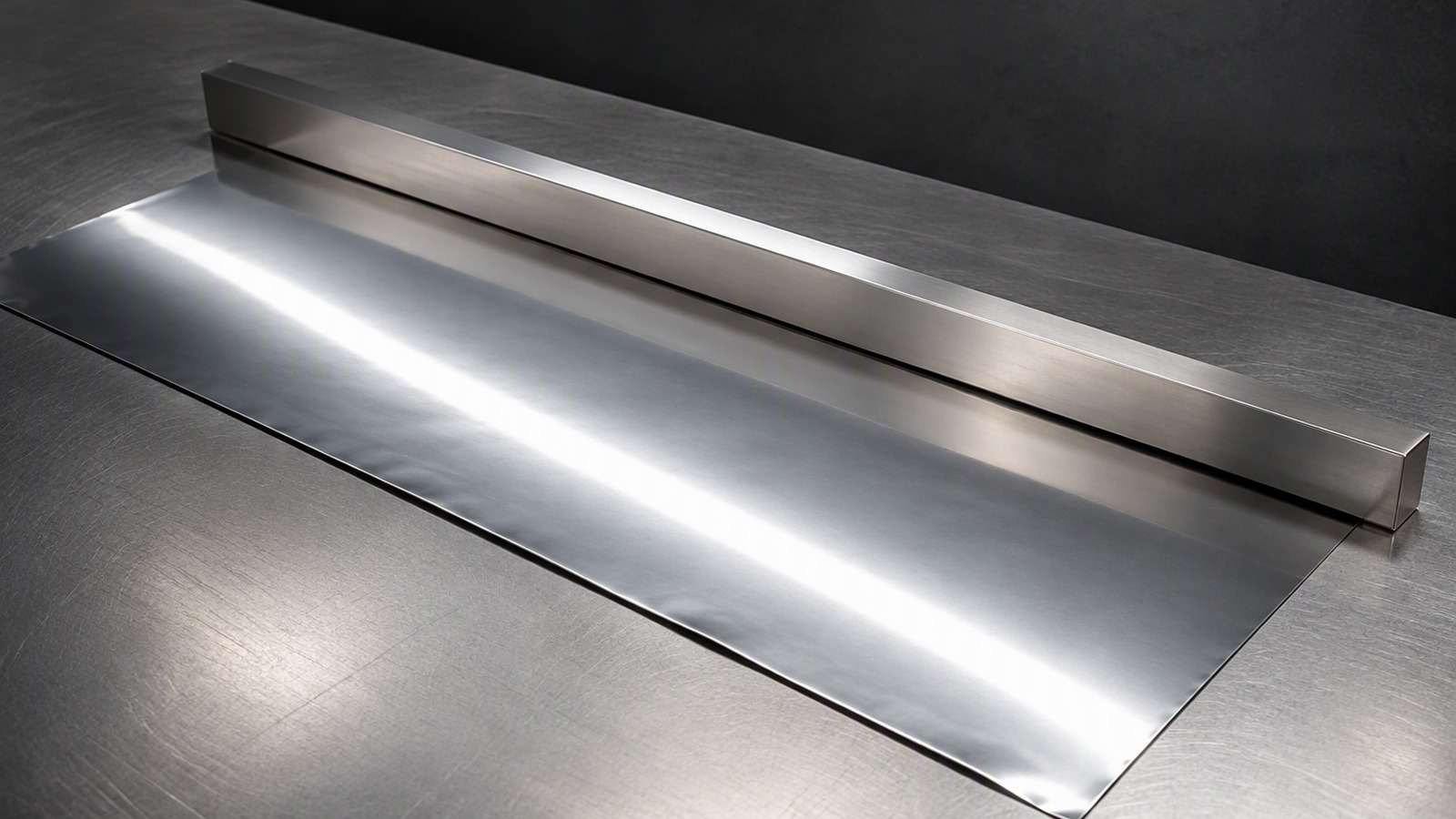
Which Properties Are Checked by Measurement and Which by Visual Inspection?
Measurement and eyesight answer different questions. One gives a number to compare with the order; the other catches the faults a number cannot describe.
Measured items include thickness, width and core diameter, read with simple hand tools at several points along the roll. Visual items include surface appearance, edge condition, dents, wrinkles or roller marks, and the general state of the wrap and core.
Dive deeper
Measurement gives you a number you can hold against the order; visual inspection catches what a number cannot describe. The two are complementary, and a sensible check uses both in a fixed order so that nothing depends on memory.
On the measurement side, thickness is the item most buyers watch first. A hand micrometer is read at several points across and along each sampled roll, because thickness can drift from the centre to the edge and from the start of a coil to its end. Width is checked with a tape or straightedge against the agreed figure, and the core is measured to confirm it is the 76 mm or 152 mm size that the slitting or converting line expects. These are simple readings, but they only mean something when the acceptance level has been agreed with the supplier beforehand.
On the visual side, the inspector looks at surface appearance, edge condition and general workmanship. Dents, wrinkles, scratches, roller marks, edge burrs or a torn wrap all show up to the eye long before any instrument is needed. A pallet of aluminum foil roll stock should also present a clean, undamaged core and a wrap that has not been crushed around the plant. Background on how the material behaves in use is widely available, for example in this overview of aluminium foil, and it helps an inspector judge which faults are cosmetic and which are worth escalating.
How Are Sampling and Roll-by-Roll Checks Organised?
Sampling decides whether a check is efficient or merely theatrical. The routine should be written before the visit, not invented on the loading dock.
A sample drawn across the batch gives the general picture, using rolls from different positions and production times. A roll-by-roll pass then confirms the identity and condition of every roll that will actually be loaded.
Dive deeper
The usual approach is a two-level routine. First, a sample drawn across the batch gives a general picture: a handful of rolls taken from different positions on the pallet, ideally from different production times, so the sample is not all from one end of the run. Second, a roll-by-roll pass confirms the identity and condition of every roll that will actually be loaded.
The roll-by-roll pass is quicker than it sounds. Each roll is identified by its label, checked for the agreed alloy and temper, glanced at for wrap and edge damage, and confirmed against the packing list. Anything that fails the glance is set aside for a closer look rather than argued about on the spot.
It helps to write the routine down before the visit. Decide how many rolls form the sample, which checks apply to every roll, and which checks apply only to the sample. Record every reading with the roll number beside it, so a later question can be traced back to a specific coil. Width and core are closely tied to the slitting operation, and the relationship between slitting width tolerance and core diameter is worth reading before you set the checks, because it explains why both are confirmed at the same station.

What Packing and Pallet Checks Matter Before Loading?
Packing is what protects everything else, and it deserves as much attention as the foil itself. A weak pallet can undo a perfect roll.
The agreed pattern for foil shipments is eye to sky or eye to wall on a wooden pallet, with a moisture barrier wrap around the stack. Confirm the pattern, the pallet condition and the wrap.
Dive deeper
The agreed packing pattern is eye to sky or eye to wall on a wooden pallet, with a moisture barrier wrap around the stack. During the visit the inspector confirms that the pattern on the floor matches the one agreed, that the pallet is sound and dry, and that the wrap is intact and sealed.
Look at the pallet as a structure, not just as a base. Boards should be whole, not split or splintered, and the deck should be strong enough for the load without sagging at the corners. Rolls should sit squarely, without overhang that could crush the lower layers, and they should be restrained so they cannot shift or rub against each other in transit.
Edge protection matters more than many buyers expect. A roll edge that is unprotected can be bruised by strapping or by the pallet beside it, and a bruised edge creates problems at the slitting or converting stage. Corner boards, edge protectors and a tidy strapping pattern all reduce that risk. Moisture is the quiet enemy, because condensation inside a container can mark a surface that was perfect when it was loaded, so the barrier wrap and any desiccant arrangement should be checked rather than assumed. Broad background on foil handling is available from the United Kingdom aluminium foil industry body, which is useful context when you write your packing requirements into the order.
Which Documents Should Accompany the Consignment?
Documents are what let the checks you made at the plant travel with the goods. Ask for them before loading, not after.
The usual set includes the commercial invoice, the packing list, the bill of lading once issued, and measurement or batch records describing the rolls. Each should agree with what is physically on the pallet.
Dive deeper
The consignment should arrive with the commercial and shipping paperwork the trade normally expects, together with the records that describe what was actually produced. Ask for these before loading, not after, because it is far easier to correct a missing page while the container is still in the yard.
The core set usually includes the commercial invoice, the packing list, the bill of lading once issued, and the measurement or batch records that describe the rolls in the shipment. The measurement records should identify the rolls, state the alloy and temper, and show the readings that were taken. The batch records should let you tie a roll number back to a production run. Ask for them as a single numbered package, so a page cannot go astray between two senders.
Do not treat paperwork as a formality collected at the end. Read it against the physical load. If the packing list says twelve pallets and the floor shows eleven, that is a finding, not a clerical detail, and it is much easier to resolve before departure. Where you want a general reference for how measurements are expressed and compared, a public resource such as this measurement-science resource can help your team keep its figures consistent, without any implication about what is being confirmed.
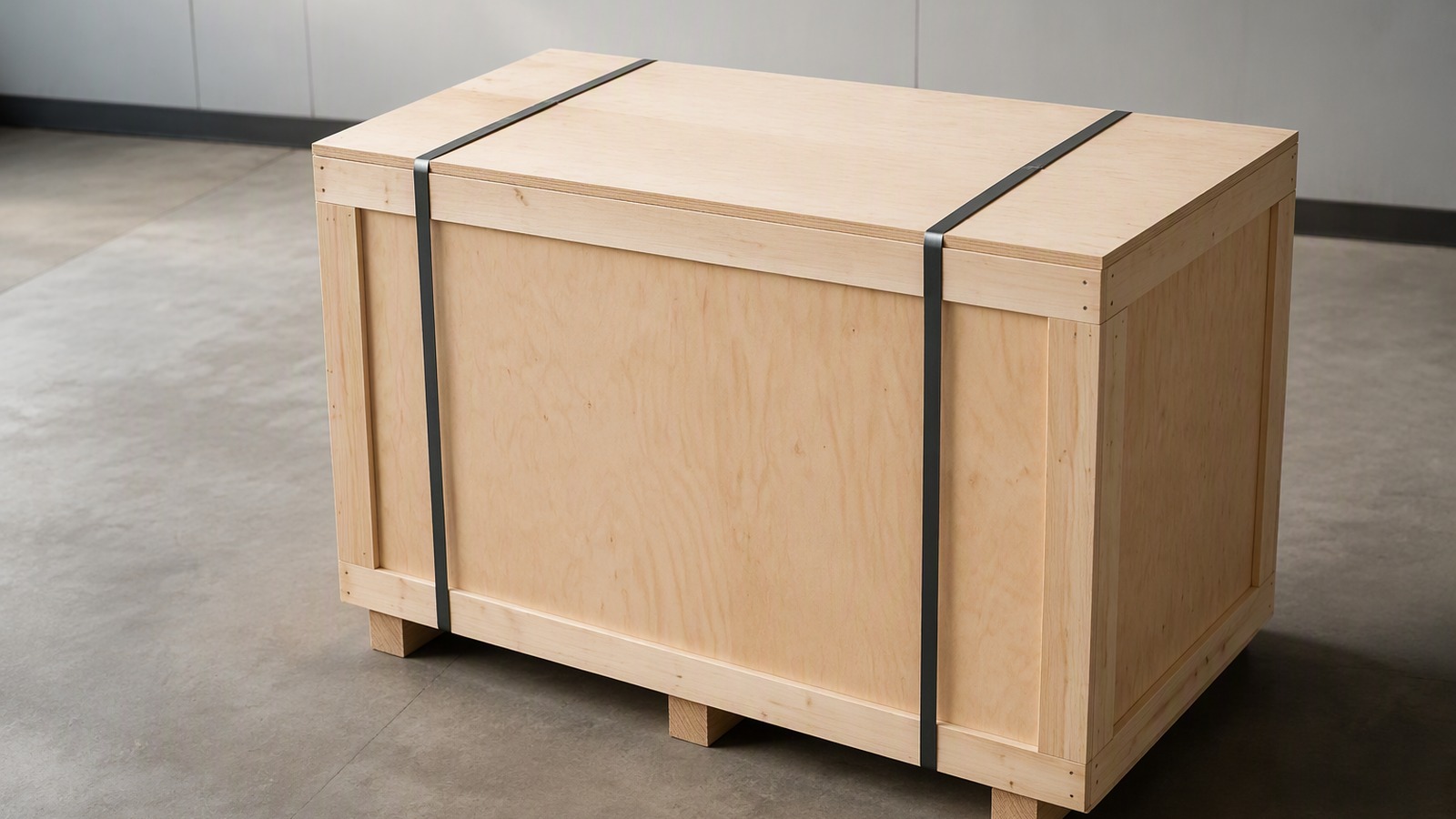
Why Are the Roll Label and the Packing List Part of the Check?
Label and list are the two threads that tie a physical roll to a piece of paper. Break either and the whole check becomes guesswork.
A workable roll label carries a roll or coil number, alloy, temper, thickness, width, core size, net weight and production batch. The packing list should mirror the same identifiers for every roll.
Dive deeper
Together they are what make a check traceable. A label that cannot be read, or that disagrees with the list, turns a simple confirmation into an investigation, and an investigation costs time on the loading dock that nobody has budgeted for.
A workable roll label carries the essentials: a roll or coil number, the alloy, the temper, the thickness and width, the core size, the net weight and, where relevant, the production batch. Without those fields a roll becomes anonymous the moment it is lifted off its pallet, and an anonymous roll cannot be defended in a later discussion.
The packing list should mirror the label. For every roll it should give the same identifiers, so that a buyer can count, match and reconcile without opening anything. During the pre-shipment pass the inspector ticks labels against the list and marks any roll that does not agree. The list is also what makes the sampling honest, because it shows whether the sample was drawn from the whole shipment or only from the top layer.
Labels matter most for thin, tight-tolerance material, where neighbouring sizes look identical to the eye. A roll such as 3004 aluminium foil 0.05 mm can sit beside a similar size on the same pallet, and only the label and the list separate them. Treat both as part of the inspection, not as an afterthought added at the end.
How Do You Handle a Deviation Once It Is Found?
The moment a deviation appears is not the moment to improvise. A calm, written routine protects both sides and keeps the shipment moving where it can.
Describe the finding precisely, keep the affected rolls clearly marked and separate, and agree the disposition with the supplier before loading continues.
Dive deeper
The first step is to describe the finding precisely: what was checked, how it was checked, where on the roll it was seen, and what the reading or appearance was. A photograph with the roll number visible is worth more than a paragraph of adjectives. Keep the affected rolls together and clearly marked so they are not loaded by mistake while the discussion continues.
The second step is to decide the disposition with the supplier. Options usually include accepting the roll as it is, replacing it, holding it back from the shipment, or adjusting the commercial terms. Which option is right depends on how the deviation affects the buyer's own process, so the people who will run the material should be part of the decision.
The third step is to agree what changes before the next shipment, and to put that in writing. If the check found a gap in labelling, packing or measurement practice, the fix belongs in the order terms, not only in an email. Public technical material on light metals and alloys, such as this technical reference on light metals and alloys, is useful general reading for the people who write those terms, and it is offered here as background rather than as a requirement.
How Should a Buyer Prepare for Pre-Shipment Verification?
A pre-shipment verification works best when the buyer prepares for it the way they prepare for a negotiation: terms settled, evidence defined, decisions possible.
Agree the acceptance level with the supplier before the order, fix the sampling routine and the paperwork, send someone able to decide, and give them authority to hold a roll back.
Dive deeper
Most of the friction that buyers report comes from deciding what to check after the container is already being loaded. Start by agreeing the acceptance level with the supplier before the order. That single step removes most disputes, because both sides know what good looks like and neither has to argue from a hunch. Then fix the sampling routine, the roll-by-roll checks and the paperwork that must accompany the load.
Make sure the person attending can actually make decisions, or can consult someone who can. A visit that ends with a long list of questions and no decisions is only half a check. Give the inspector a written checklist, a way to record readings, and authority to hold a roll back when it clearly does not match the order.
Finally, connect the visit to the commercial picture. If you sell or convert foil, the range you buy sits inside a broader family of industrial and technical foil, and knowing where your sizes sit in that range helps you judge which deviations genuinely matter to your process and which can be lived with. The aim is a shipment that arrives without argument, and that is built at the plant long before the container is sealed.
Agree the acceptance level first, check roll by roll at the plant, keep the paperwork tied to the rolls, and deal with any deviation before the container sails.